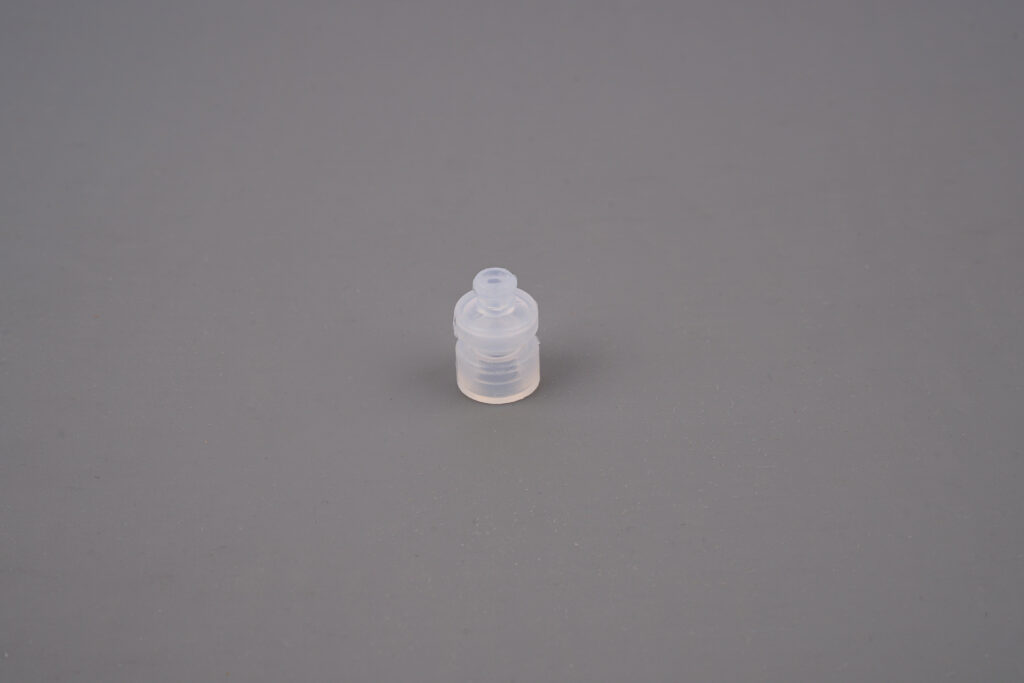
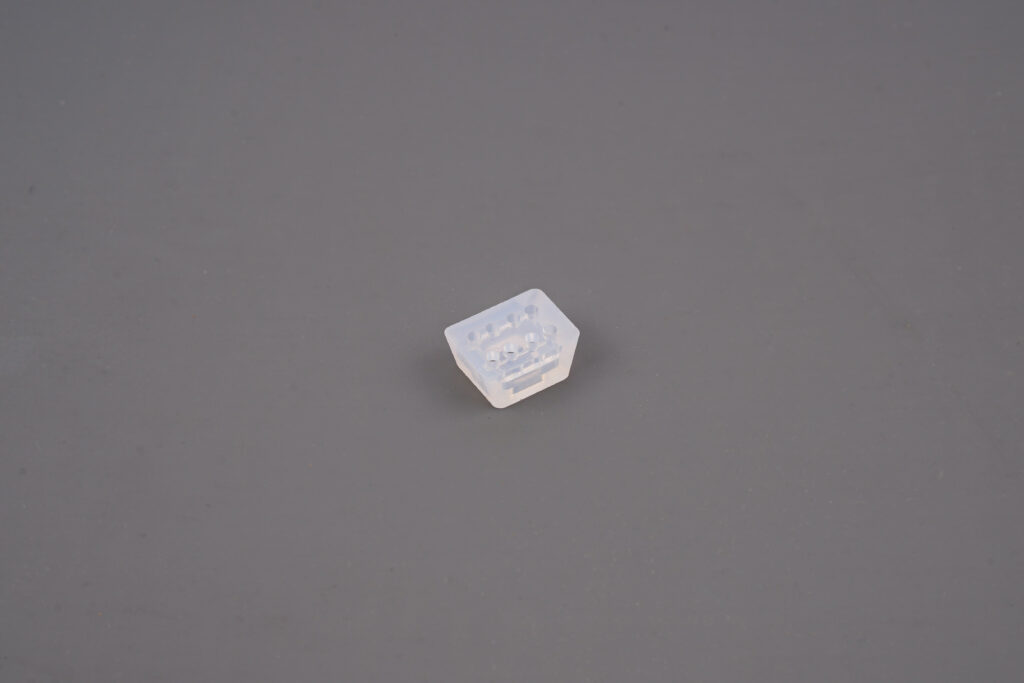
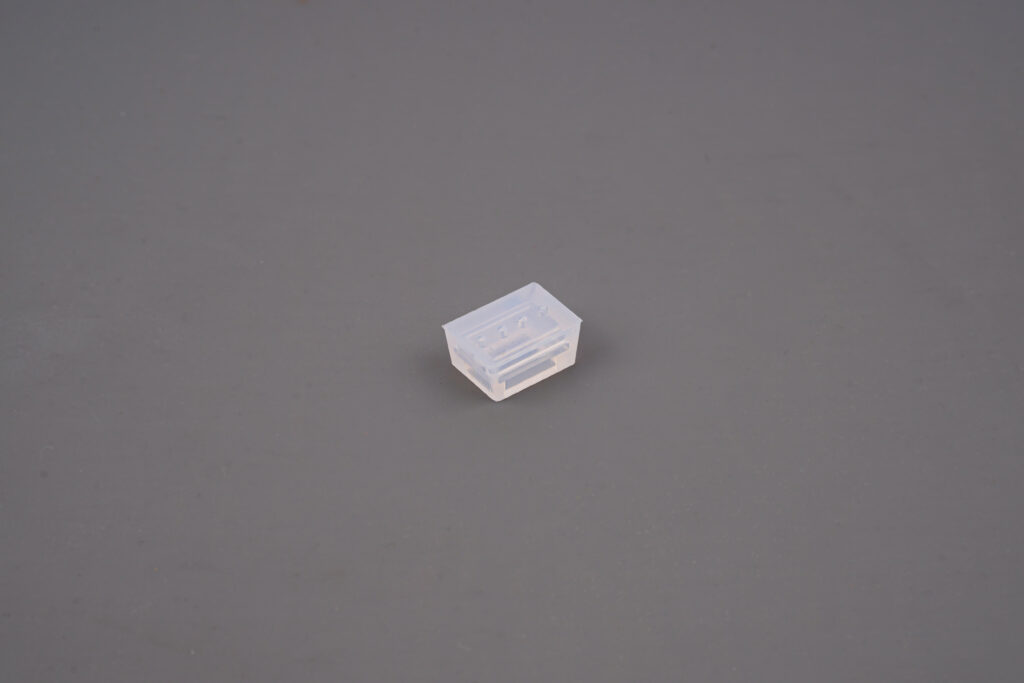
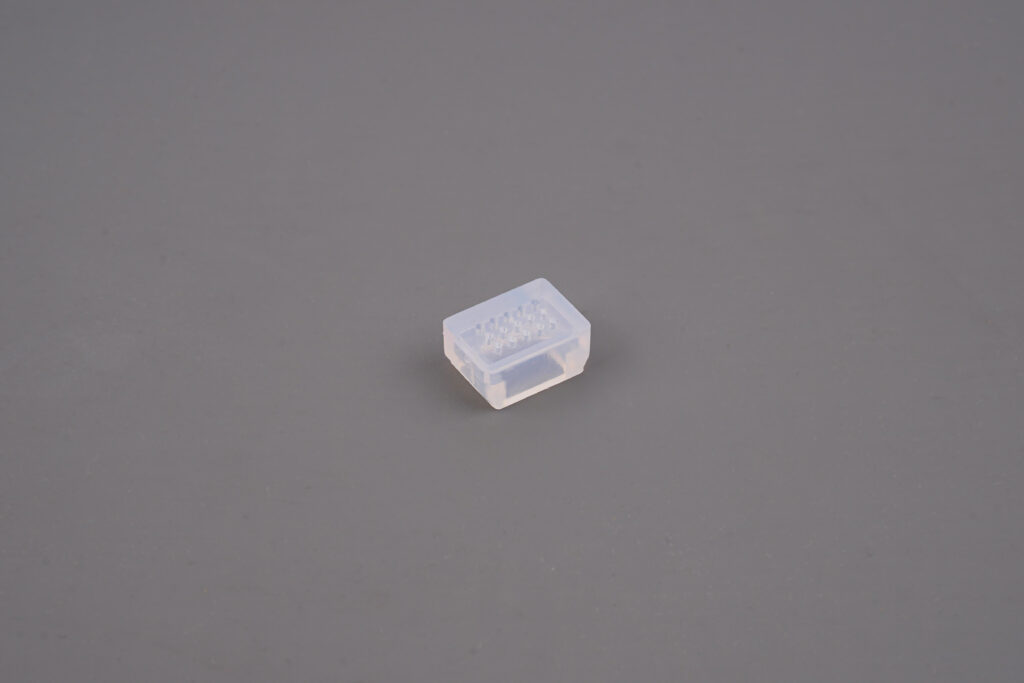
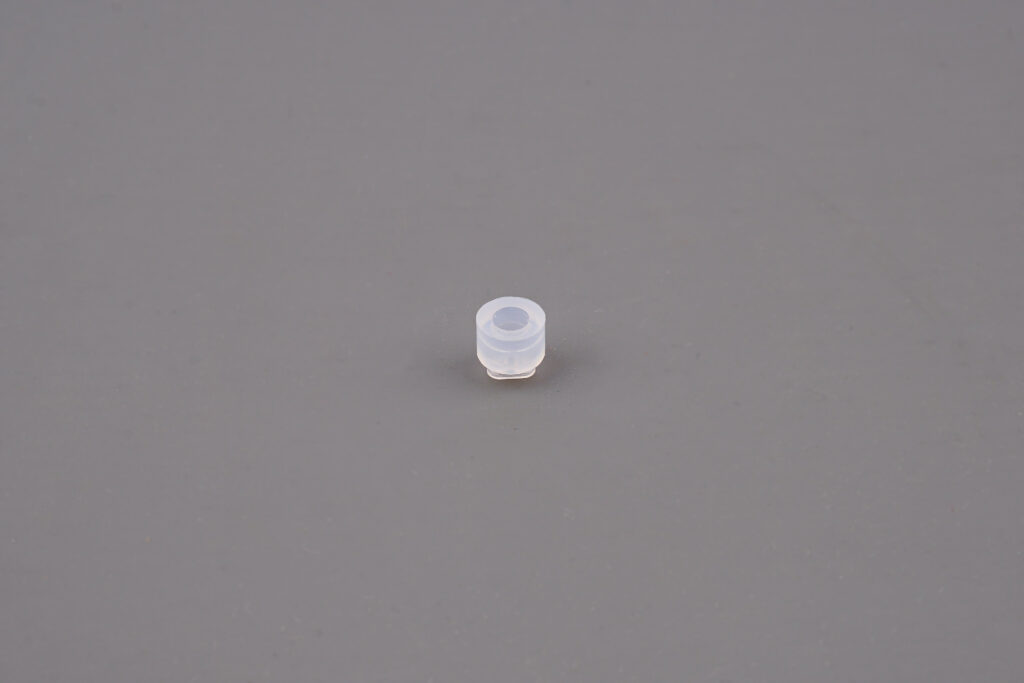
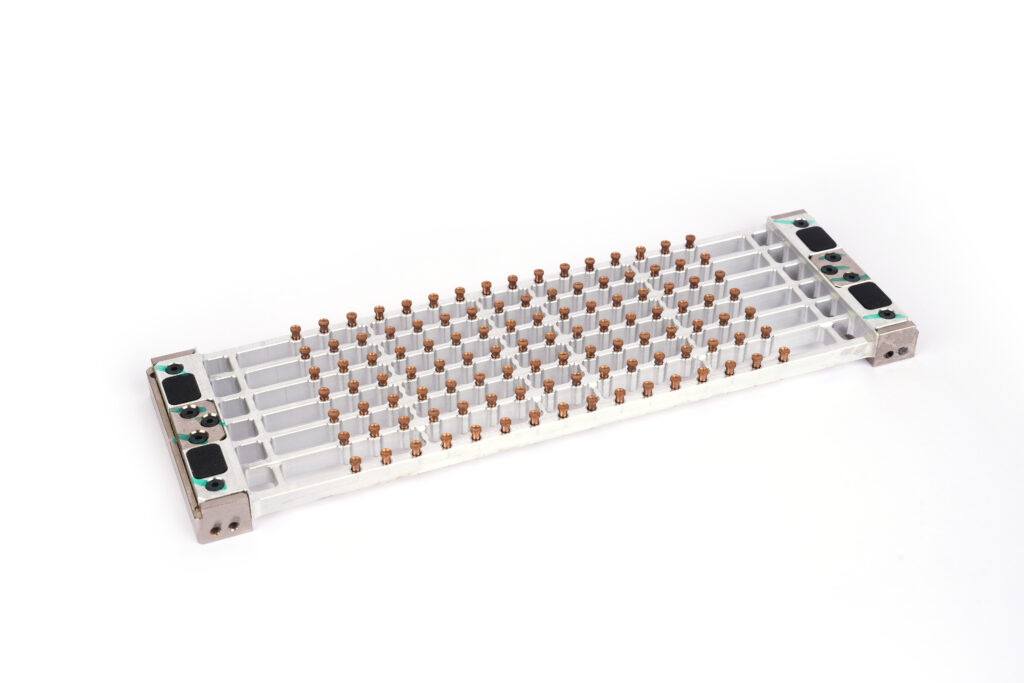
The frame’s main purpose is to hold a “ribbon” (likely a flexible flat cable or ribbon cable) securely in place during a soldering process. The array of brass studs is the key to this function.
The “Soldering RH Holder Ribbon Holding Frame” is secured to a soldering station or machine.
A ribbon cable is carefully placed onto the frame, with its individual conductors aligning precisely with the brass studs. The frame’s design ensures the ribbon cable lies flat and straight.
Soldering is performed (manual or automated) to create electrical connections between the ribbon cable conductors and the brass studs (or other components being held by the studs).
Once soldering is complete and the joints have cooled, the ribbon cable
assembly can be safely removed from the frame.
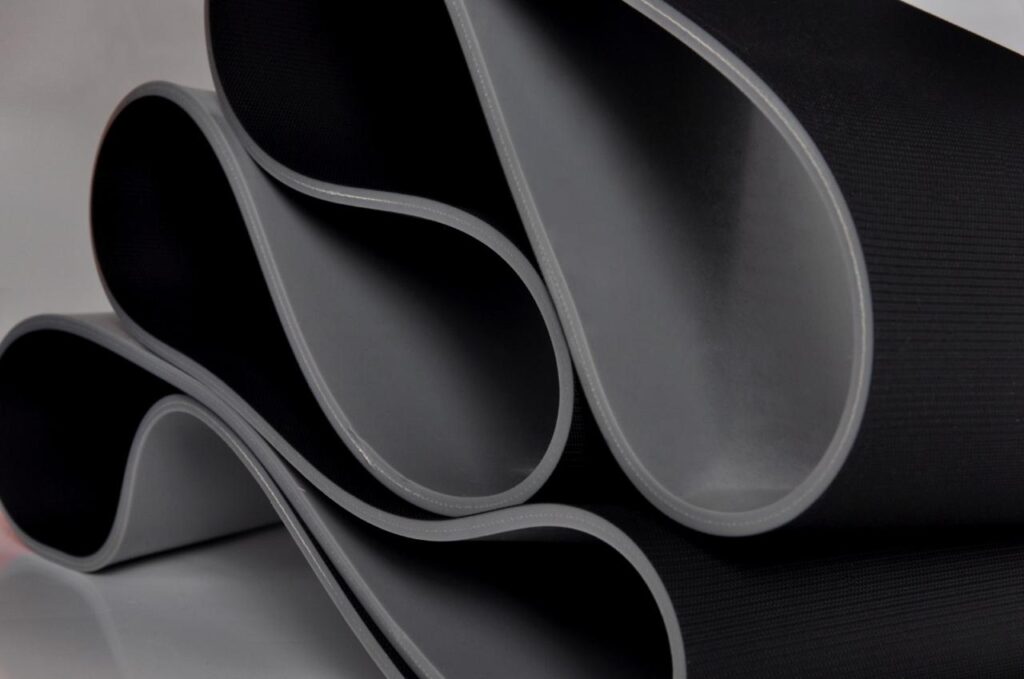
It depicts a piece of a silicone diaphragm used in a solar panel laminator.
Color: Silicone diaphragms for laminators are
very commonly black. This is partly due to the carbon black fillers used in the rubber
compound, which can enhance proper properties like UV resistance and durability.
These diaphragms come in various colors (including gray) depending on the manufacturer and the specific additives or properties required.
Color: Silicone diaphragms for laminators are
very commonly black. This is partly due to the carbon black fillers used in the rubber compound, which can enhance proper properties like UV resistance and durability.
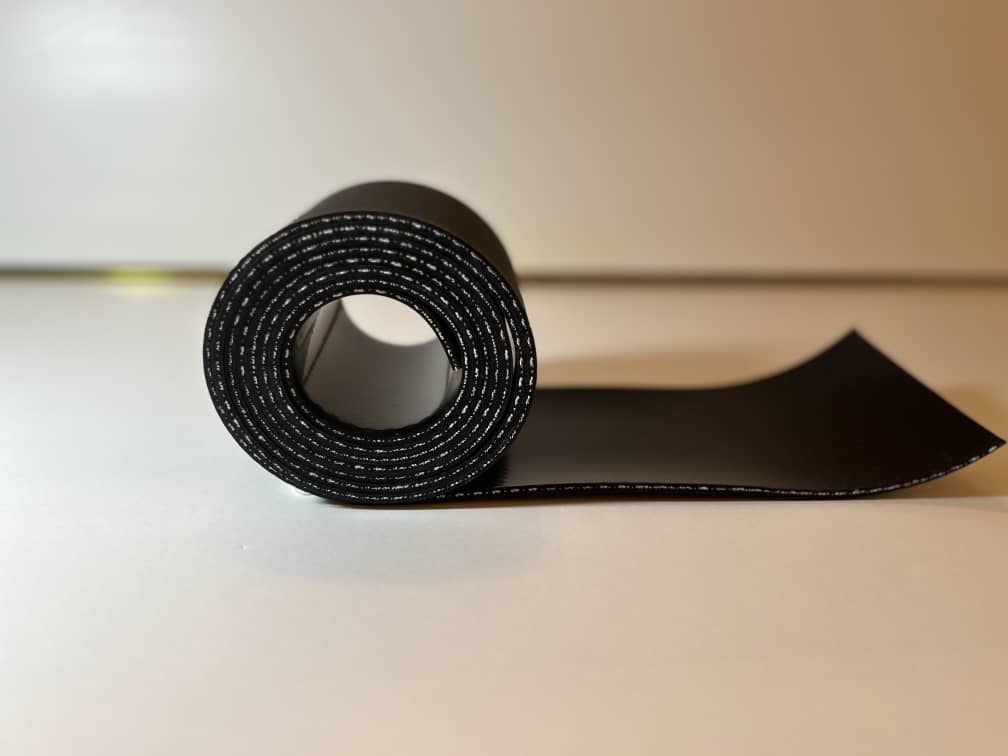
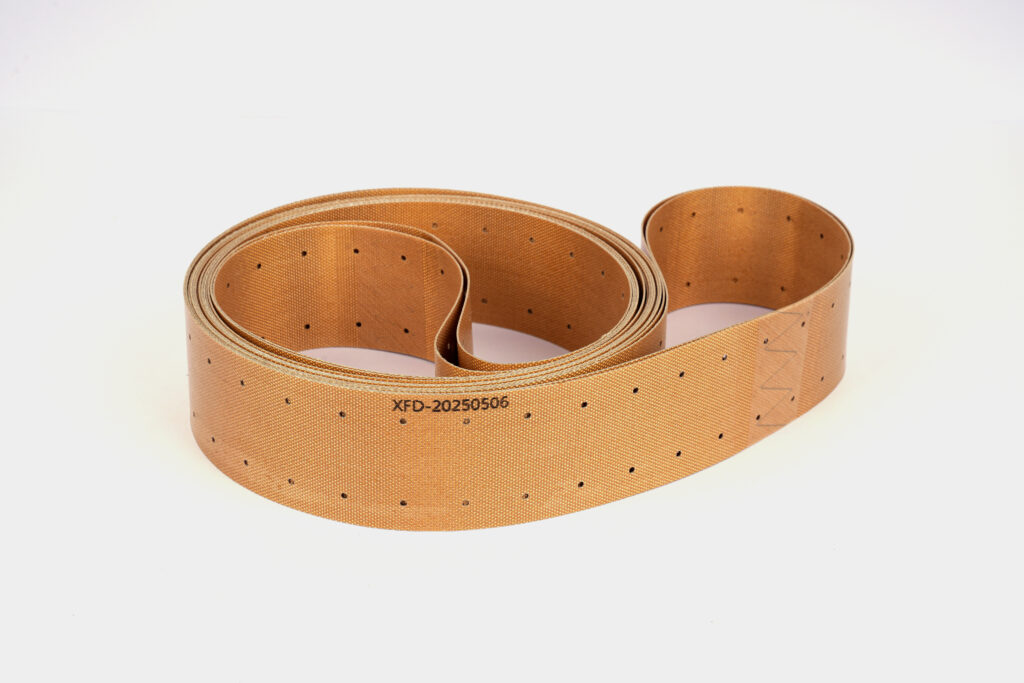
This perforated belt plays a vital role in the precise handling and stability of solar cells and
ribbons within a stringer machine, facilitating the automated soldering process to build strings of interconnected cells for solar panels.
Vacuum Hold-Down and Precision Transport:
The small holes (perforations) on the belt are designed to work with a vacuum
system located underneath.
In a stringer machine, this belt is used to precisely transport delicate solar cells or the interconnect ribbons (busbars) as they move through the soldering station.
The vacuum pulls the cells/ribbons firmly onto the belt, ensuring they are held flat and perfectly aligned without shifting during the high-precision soldering process.
This is critical for creating accurate and reliable electrical connections.
Heat Resistance:
Solar cell soldering involves high temperatures. The material of this belt (often a
durable, heat-resistant composite like Teflon-coated fiberglass or a similar polymer)
is chosen to withstand these elevated temperatures without deforming, degrading,
or sticking to the hot components or solder.
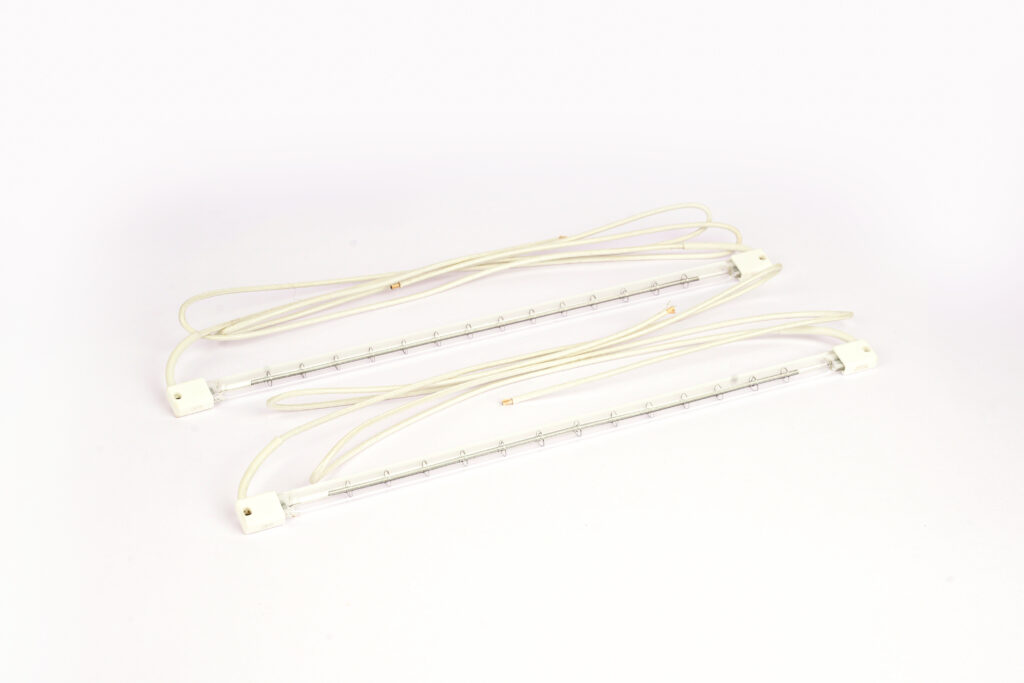
These are quartz infrared (IR) heating lamps, also often referred to as halogen heaters. These types of lamps are widely used in various industrial heating applications due to their rapid heating, high efficiency, and precise control capabilities.
In the solar manufacturing industry, these IR lamps are commonly used in several key processes where controlled heat is required:
Solar Panel Laminator Machines
Solar Cell Stringer Machines
Drying Stations
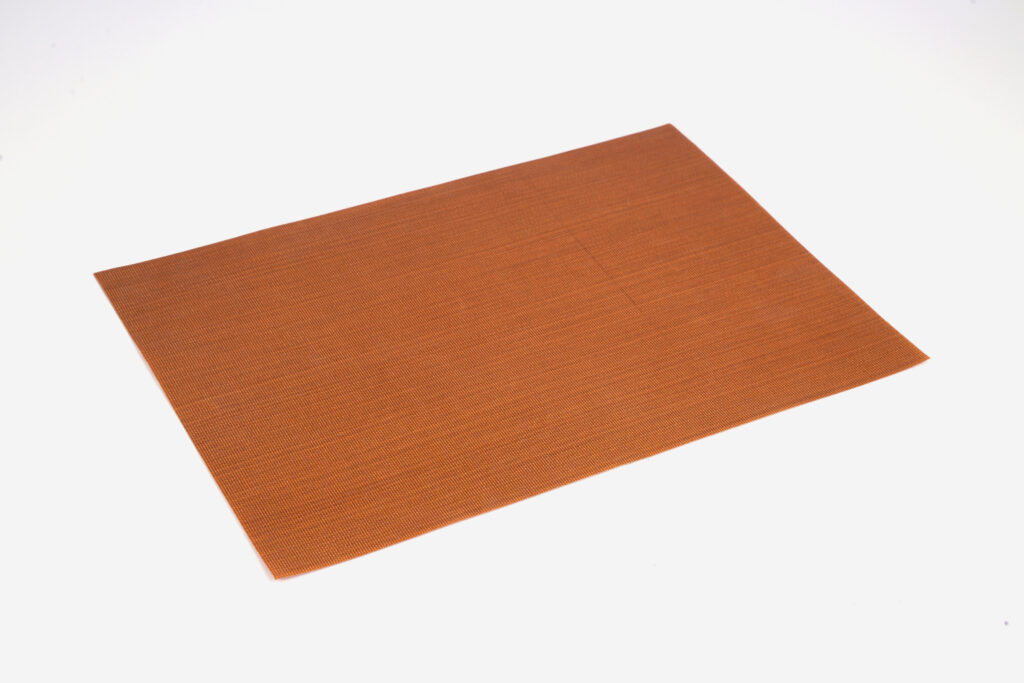
Teflon sheets are indispensable in solar panel laminators because their unique combination of non-stick properties, high-temperature resistance, and chemical inertness ensures a smooth, clean, and
high-quality lamination process without damaging the solar module or the equipment.
Teflon (specifically, PTFE—Polytetrafluoroethylene, commonly known by the DuPont brand name Teflon)
Teflon sheets are used in solar panel laminators:
On the heatingplatens (the surfaces that apply heat and pressure).
As a release layer above and/or below the solar module stack during the vacuum and heating process, especially if a flexible diaphragm or vacuum bag is used.
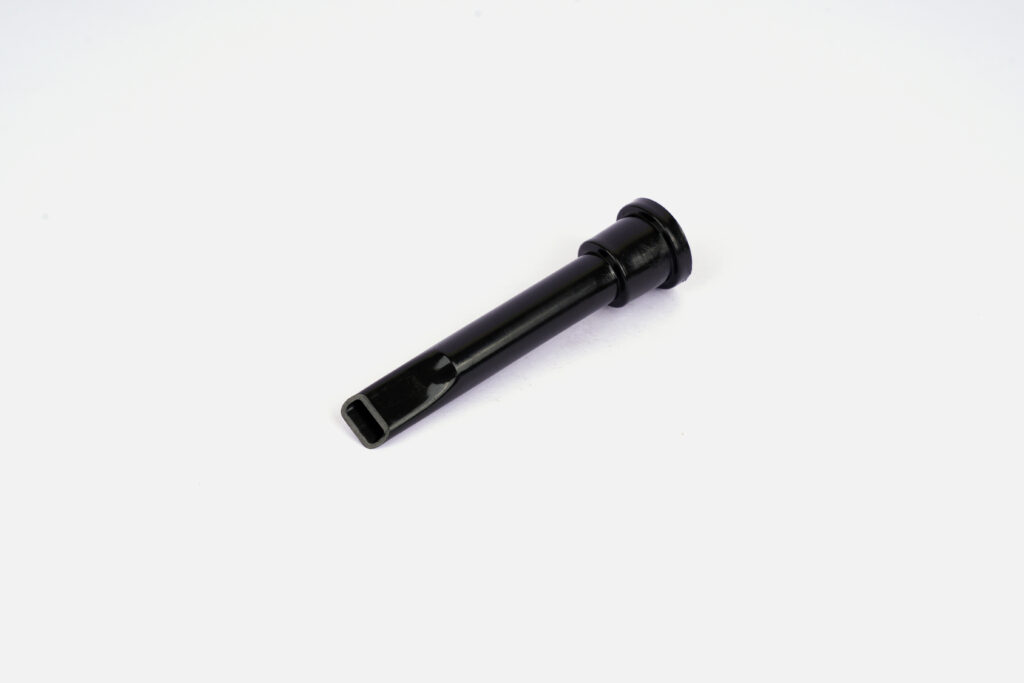
These are typically used to:
Dispense silicone or PU sealant precisely into the aluminium frame grooves or around the edges of the glass/module
Ensure even bead application to prevent air gaps and ensure proper adhesion
Withstand abrasive chemicals and curing materials, often made from PTFE, PP, or
HDPE
These nozzles are commonly used in:
Automated framing lines
Manual sealant dispensing guns
Edge-sealing or potting stations
Features:
Tapered design: For controlled flow and direction
Flat or angled ps: May vary depending on required bead profile
Easy replaceability: Snap-fit or threaded to connect to dispensers