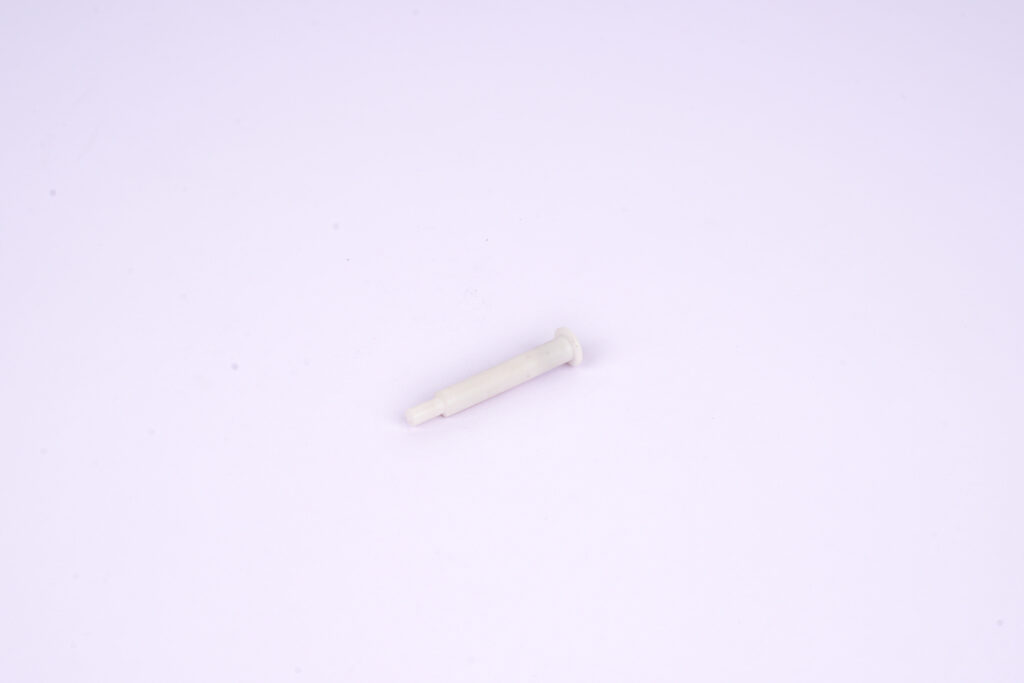
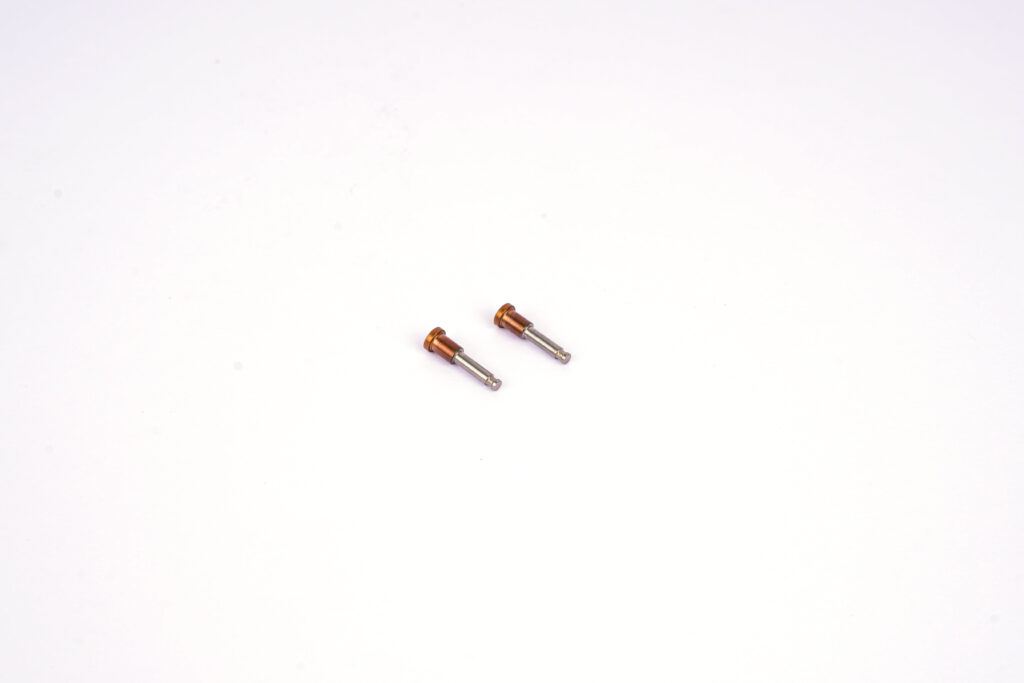
A ceramic pin is a precision-engineered component made from high-performance ceramics like:
Alumina (Al₂O₃)
Zirconia (ZrO₂)
Silicon nitride (Si₃N₄)
Common Uses:
In solar module manufacturing or industrial applications, ceramic pins are used for:
High-temperature insulation
Positioning or alignment during welding/framing
Wear-resistant guiding or support in automated machinery
Non-conductive or non-reactive contact points
Key Advantages:
High hardness and wear resistance
Excellent thermal and electrical insulation
Chemical stability, even in harsh environments
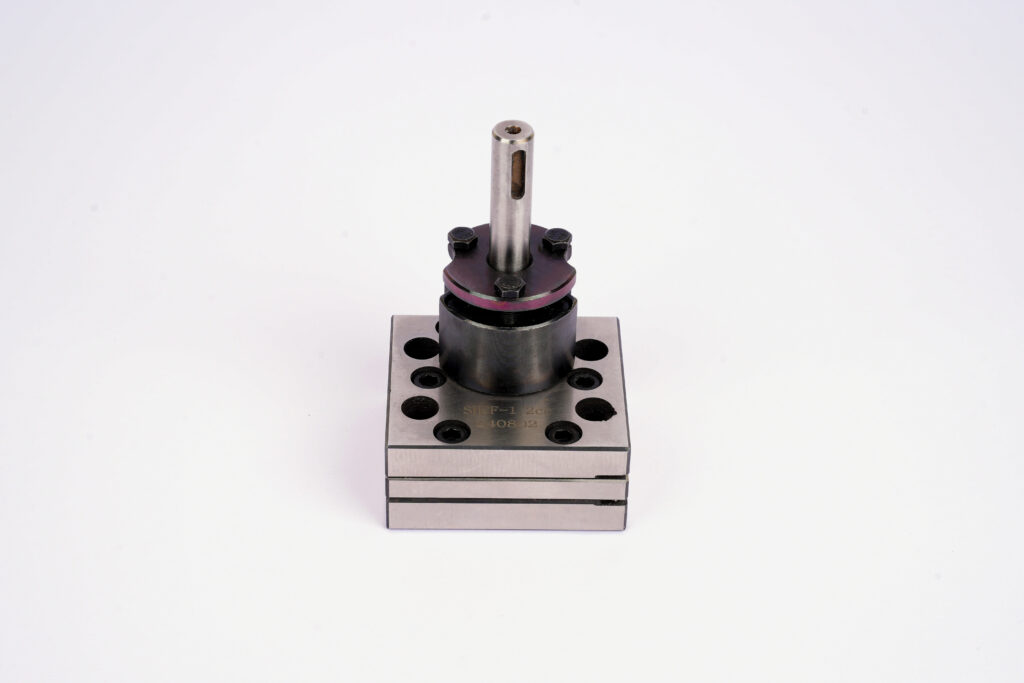
Part B pump” refers to a pump that dispenses one of the two components of a two-part potting compound. the Part B pump is essential for accurately dispensing the hardener component of a
two-part po ng compound, which is critical for initiating and controlling the chemical reaction that cures the material, providing robust protection to the solar panel’s electrical connections.
Also commonly known as:
Wear pads
Contact points
Pressure pins
Locator pins (if used for positioning)
Set screw tips
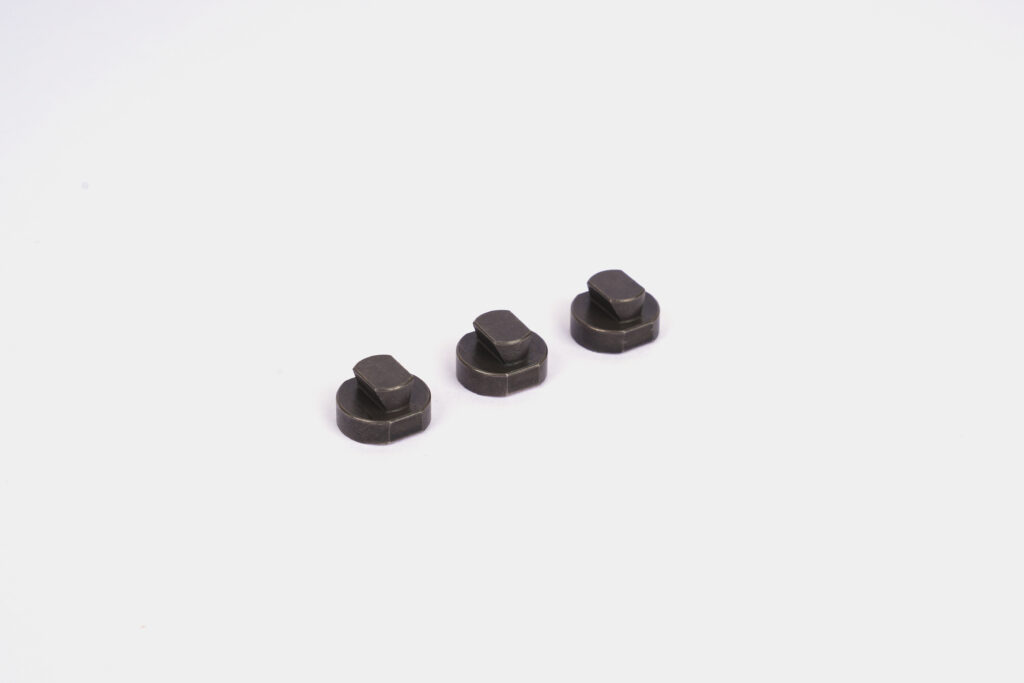
Their primary purpose is to be the point of contact that experiences wear, friction, or impact in a mechanical system. Instead of the main, more expensive machine part wearing down, these small, inexpensive components
absorb the wear.
Hard pins are technically known as wire thread inserts or helical inserts.
These are precision-formed coils of extremely hard, diamond-shaped stainless-steel wire.
Although they look like springs, they functionas a threaded insert.
Primary Purpose: Their main use is to repair damaged or stripped screw threads. If the threads in a hole (especially in some metals like aluminum) get worn out or stripped, you can drill a slightly larger hole, tap new threads, and then screw one of these inserts in. The insert’s internal threads will then match the original screw size, creating a new, much stronger set of threads than the original.
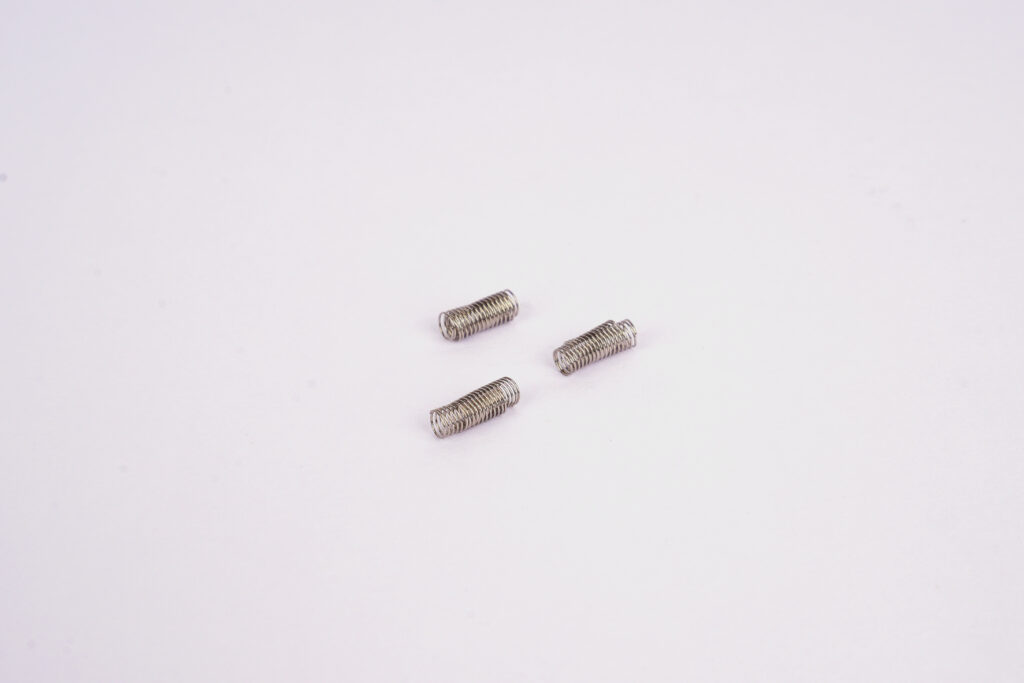
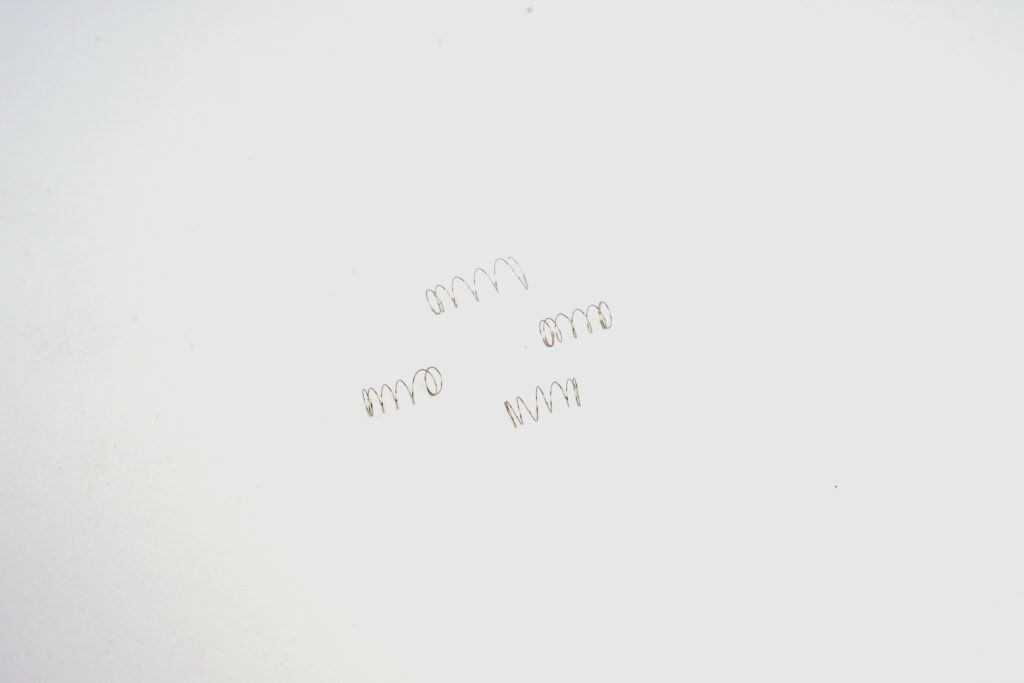
A soft spring, also known as a compression spring with low stiffness.
A soft spring is a mechanical component designed to compress easily
under a small amount of force. It’s typically used when:
Minimal force is needed to return a component to its position.
Smooth or sensitive actuation is required
Space is limited, and flexibility is important
Features of the Spring in the Image:
Thin wire diameter → indicates low spring rate (softness)
Open-coil structure → allows greater compression distance
Made of stainless steel or spring steel (anti-corrosive)
Likely manually reshaped or slightly deformed
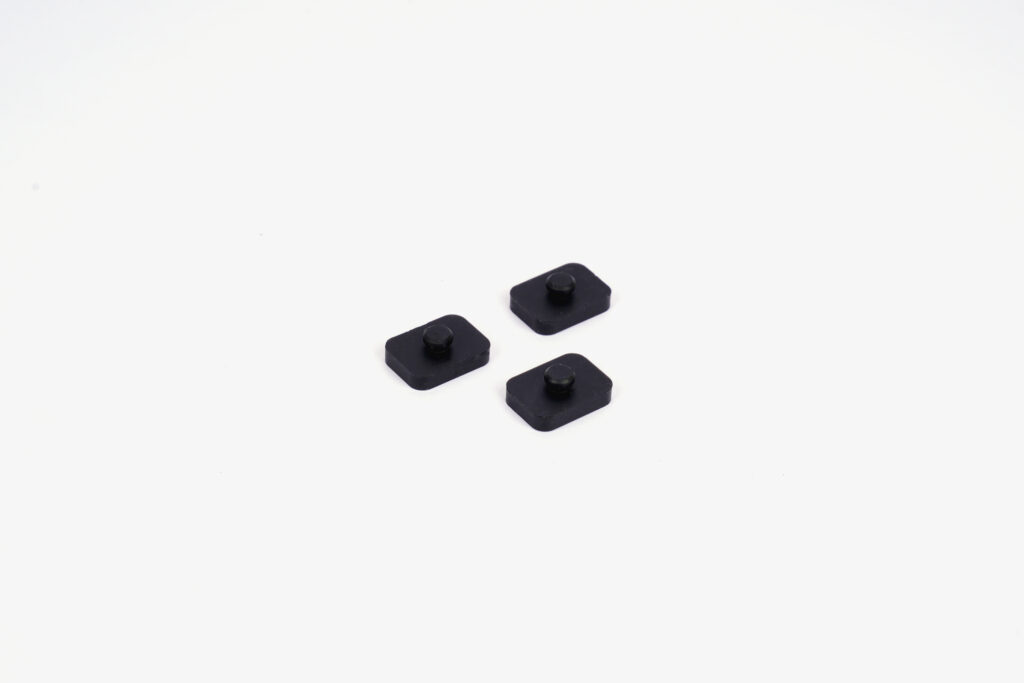
Knurling is a manufacturing process that creates a textured, open diamond-shaped, or linear pattern on a surface to improve grip. The phrase “without knurling” explicitly states that these pads have a
smooth surface, reinforcing what’s visible in the image.
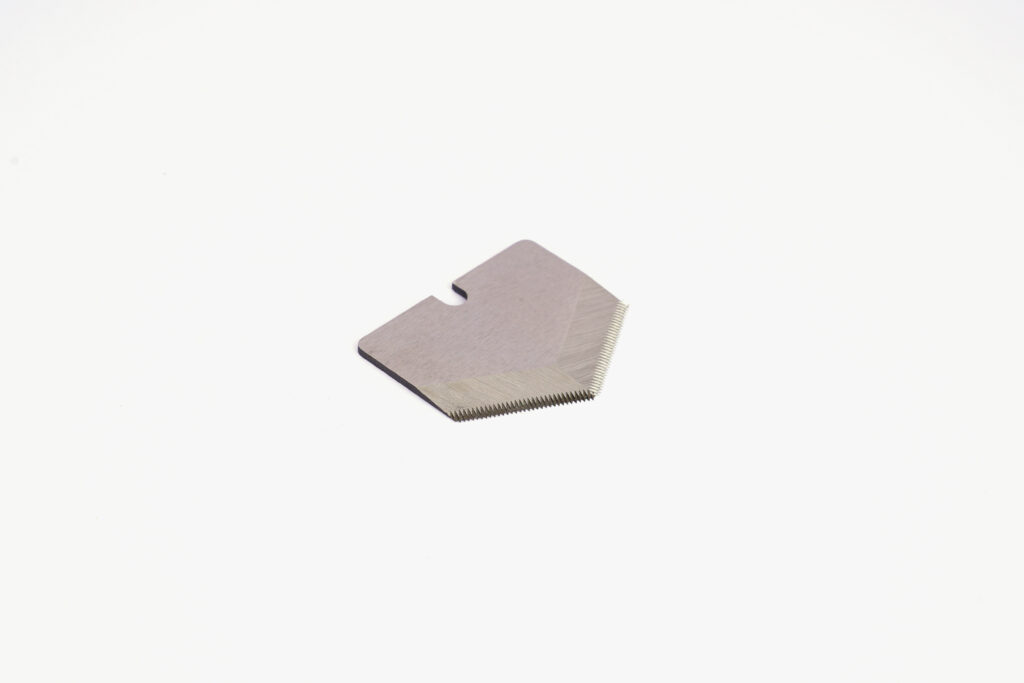
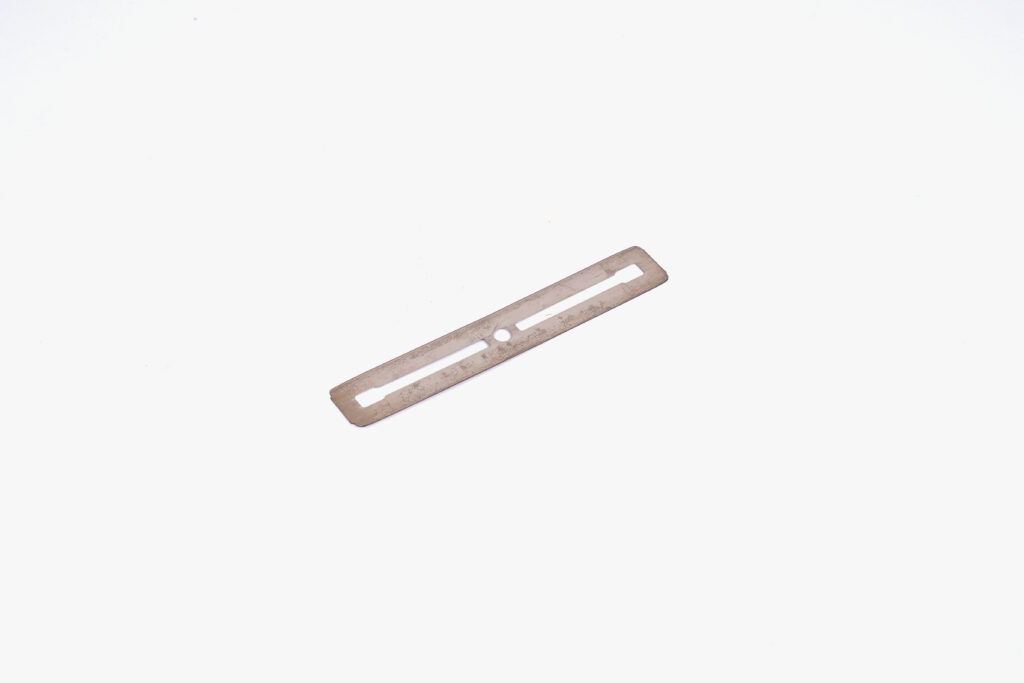
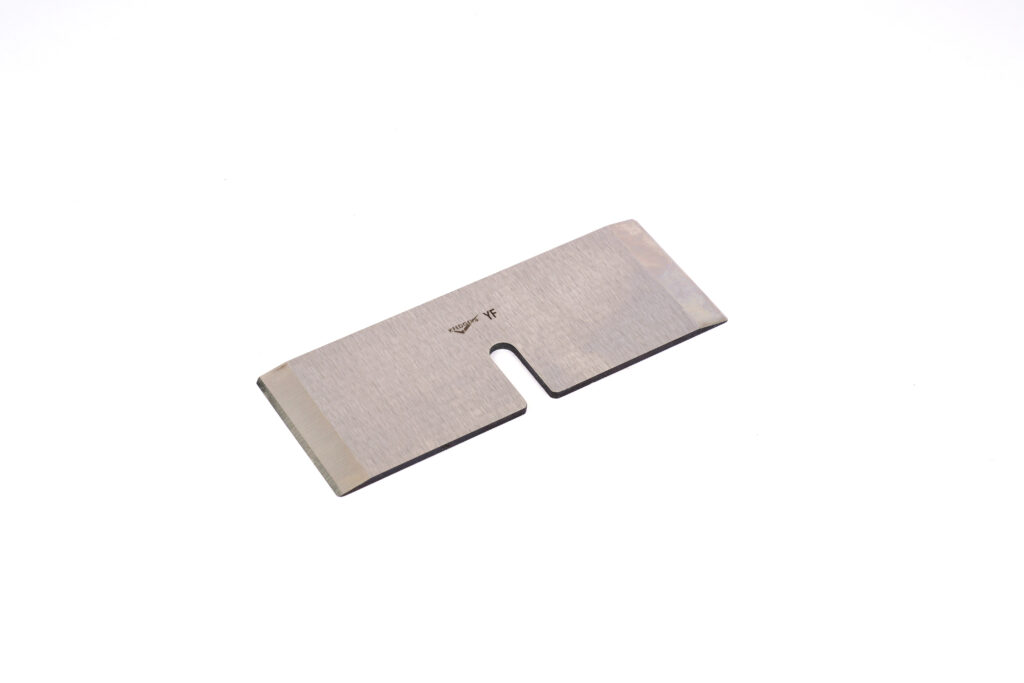
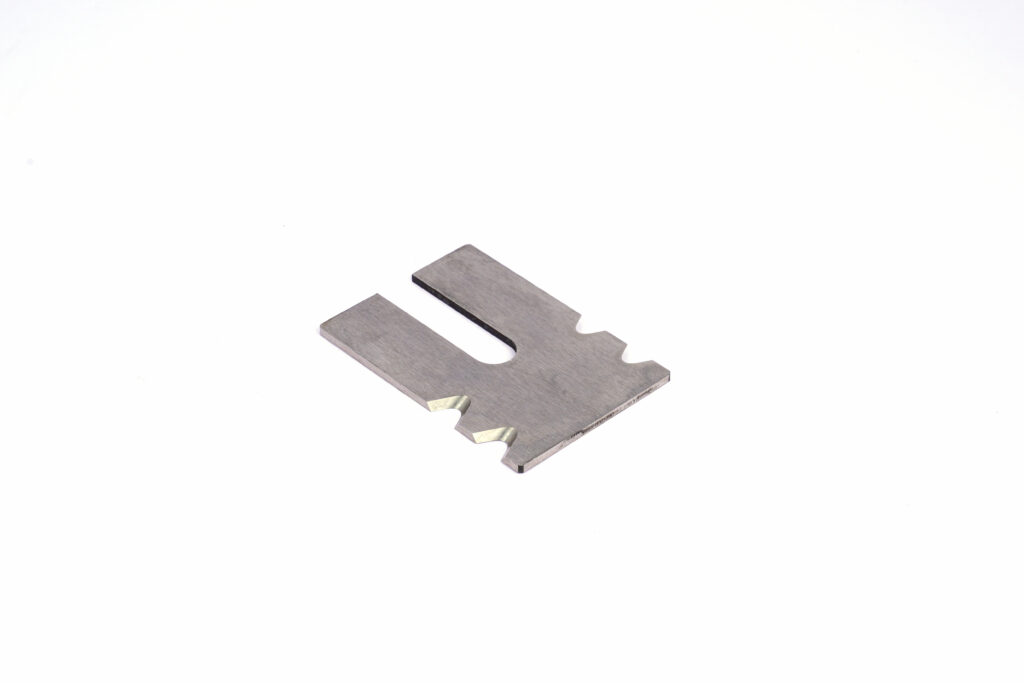
An edge-bending blade is a precision tool used to:
Bend or crimp the corners of aluminium frames around
solar panels
Secure the glass-glass or glass-back sheet module
within the frame
Ensure ght and uniform locking at the frame corners
Key Features:
Sharp, angular design for accurate edge folds
Toothed or grooved edge for grip or controlled deformation
Cutout slot: Used for mountingon the crimping head or tooling block
Common Usage:
Installed in automatic or semi-automatic framing machines
Engages during the corner pressing/bending cycle
Made from hardened steel or tungsten carbide for long tool life
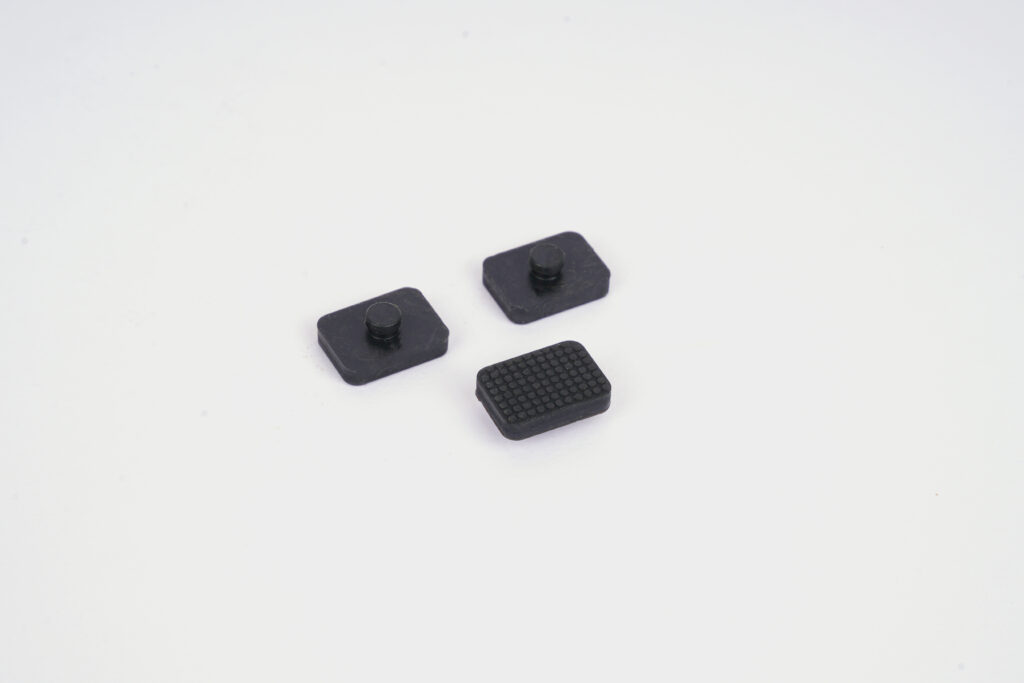
These components serve as gripping or support pads with the following features:
Key Characteristics:
Knurled surface: Provides a non-slip grip on glass, aluminium frames, or other module surfaces
Rectangular rubber pads: Offer shock absorption, an-scratch, and vibration resistance
Typically mounted on:
o Vacuum heads
o Linear actuators
o Clamping jaws
o Conveyors or end-of-arm tools (EOATs)
“Small rh-coated pin” is a critical component for the gentle and precise handling of solar cell interconnect ribbons within an automated stringer machine, which is vital for producing high
quality and efficient solar panels.
Ribbon Alignment and Guidance: During the stringing process, thin copper ribbons are automatically fed and positioned onto the solar cells. The Rh-coated pins help to guide and align these ribbons accurately, ensuring they are placed correctly on the cell’s busbars for optimal soldering. The “coated” aspect is important to prevent damage to the delicate ribbons and to reduce friction.
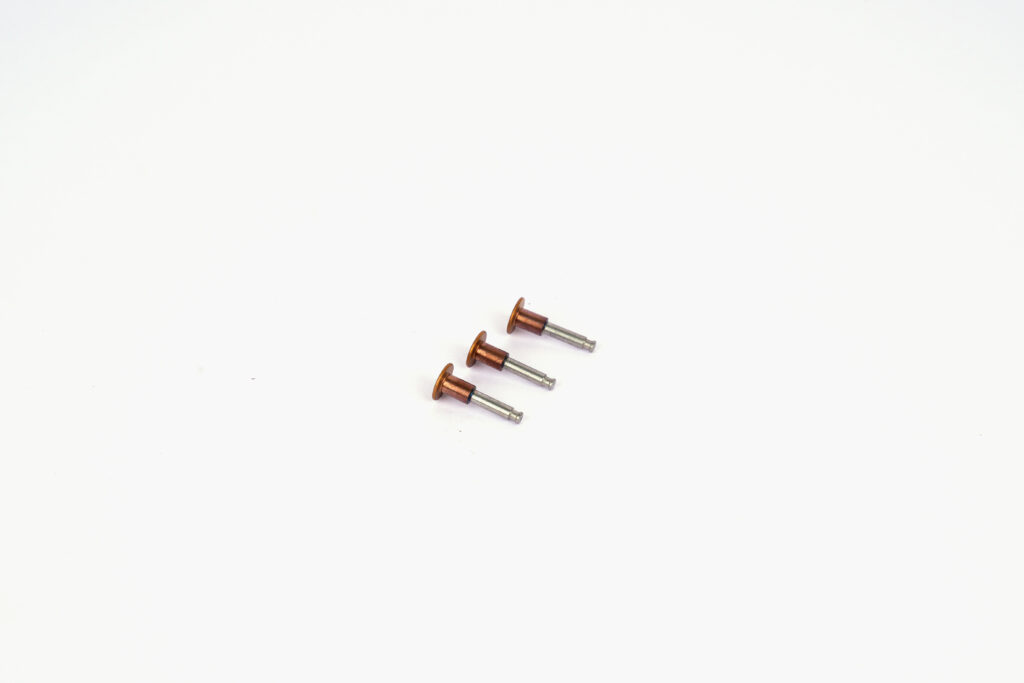
Big RH coated pin” in a stringer machine for solar panels refers to a ribbon handling (RH)
coated pin, but scaled up to handle larger interconnect ribbons (busbars). “Big RH coated pins” are essential for accurately and gently handling the wider and more numerous interconnect ribbons found in high-power, modern solar cells within an automated stringer machine, ensuring precise alignment and robust electrical connections.
An edge banding machine is vital for starting and ending the edge banding application cleanly and precisely on each panel, contributing significantly to the aesthetic and functional quality of the final product. This is the blade that cuts the edge banding tape to the precise length of the panel. As discussed, it performs the “start cut” and “end cut” to ensure the tape begins and ends flush with the panel’s edges. It is often a guillotine-style or shearing blade.
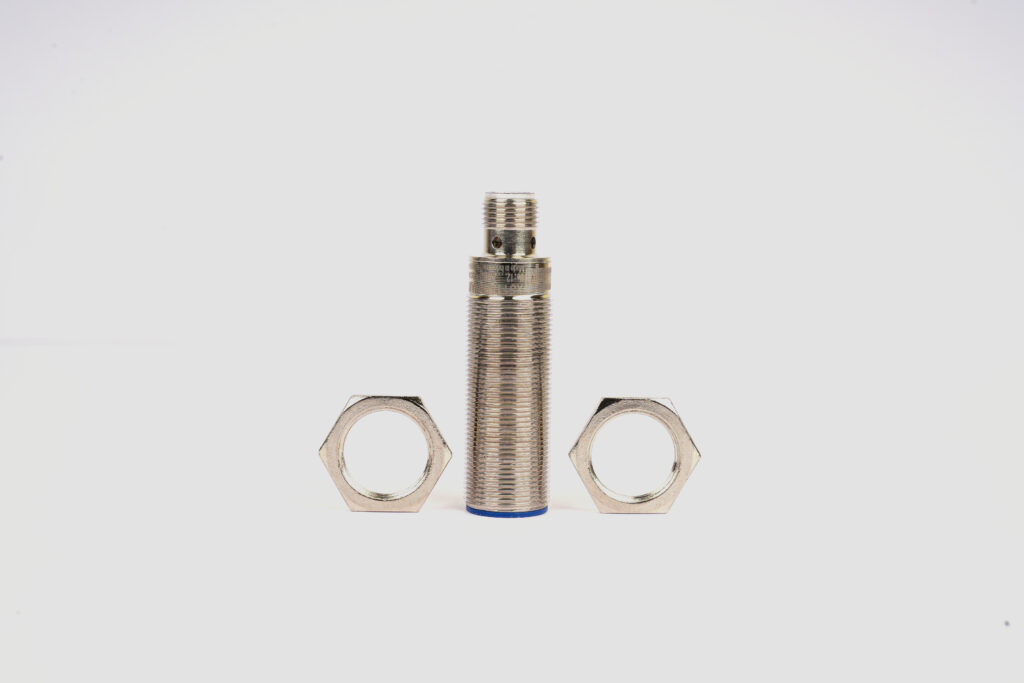
Inductive proximity sensors are used in solar panel manufacturing to detect the presence and position of metal components during the production process without physical contact. This is crucial for automation, ensuring accurate alignment, and preventing damage to equipment or materials.
Corner shaping blades are used in solar panel manufacturing to remove sharp edges and create a chamfered or rounded corner on the glass or frame of the solar panel. This is done to improve safety during handling and installation, reducing the risk of cuts and injuries to workers. Additionally, the chamfering process can enhance the overall aesthetic appeal of the solar panel.
Trimming blades are used in solar panel manufacturing to precisely cut and shape various components, including solar cells and encapsulant materials, to the desired dimensions and specifications. This ensures the final product meets size and performance requirements while also removing excess material for a clean and efficient module.
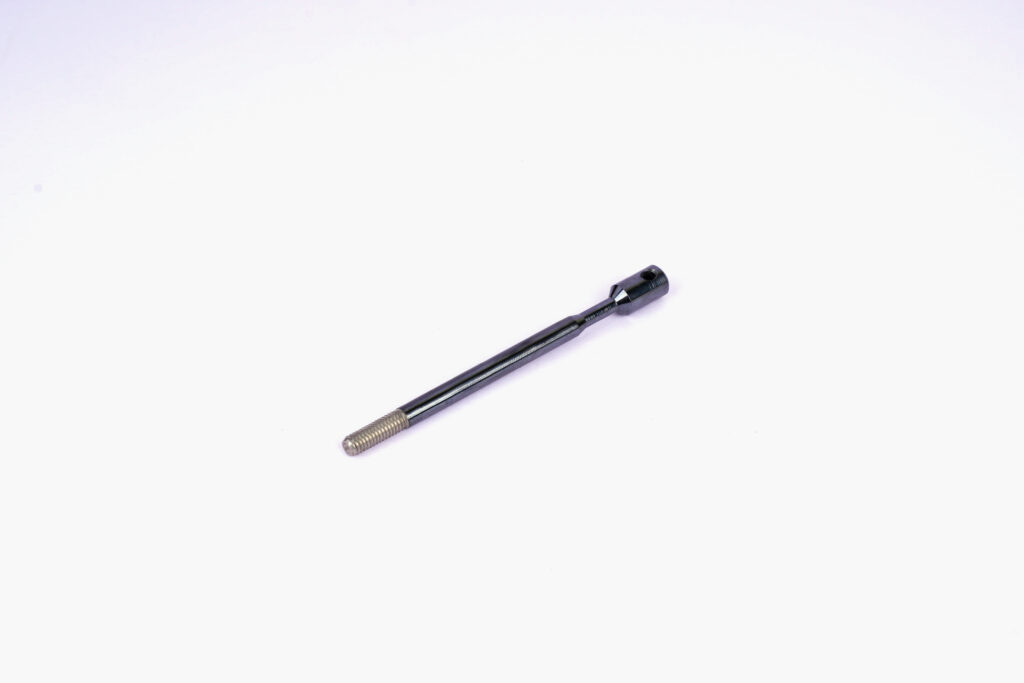
A Hammet cylinder rod, also known as a busbar, is used in solar panel manufacturing for its excellent electrical conductivity and ability to withstand harsh conditions, making it ideal for collecting and transmitting the electrical current generated by solar cells. These rods are typically made of materials like silver or aluminum and are used to connect individual solar cells within a panel and to transport the electricity generated to the junction box.
Electromagnets are used in cell stringers, specifically for holding solar cells in place during the soldering process. This ensures precise positioning and alignment of the cells as they are connected in series by the copper ribbons. The electromagnet’s ability to be turned on and off allows for controlled handling and release of the cells.
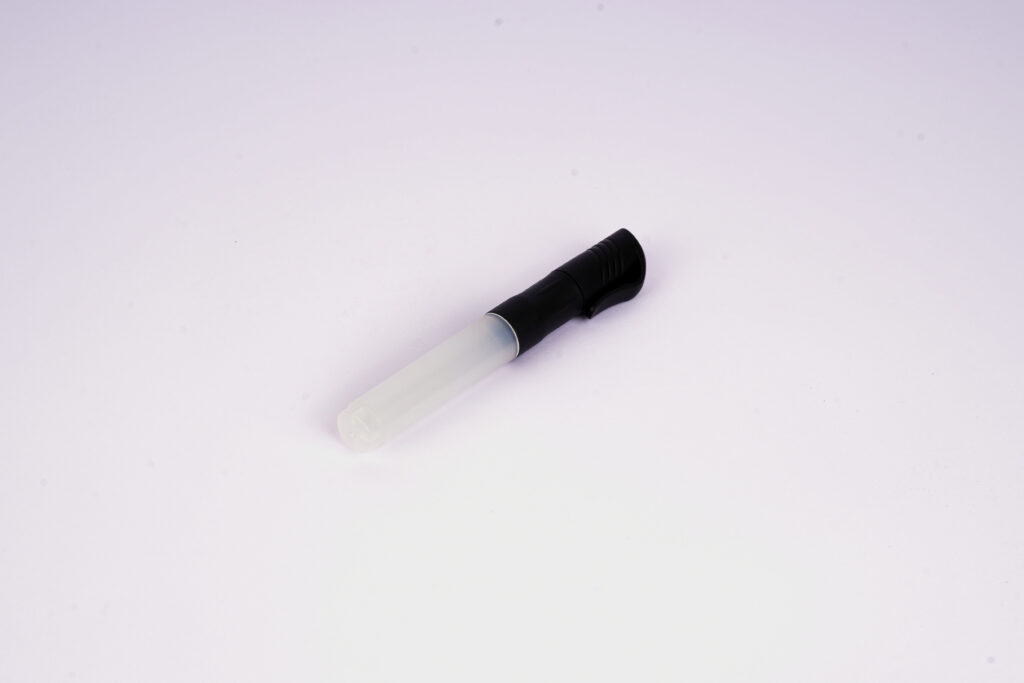
Flux pens are used in solar panel manufacturing for precise application of flux, which is crucial for reliable soldering of components like tab ribbons to solar cells. Flux removes oxidation and promotes better soldering. ensuring a strong electrical connection. Flux pens offer a controlled way to
Apply the flux, minimizing excess and potential corrosion.
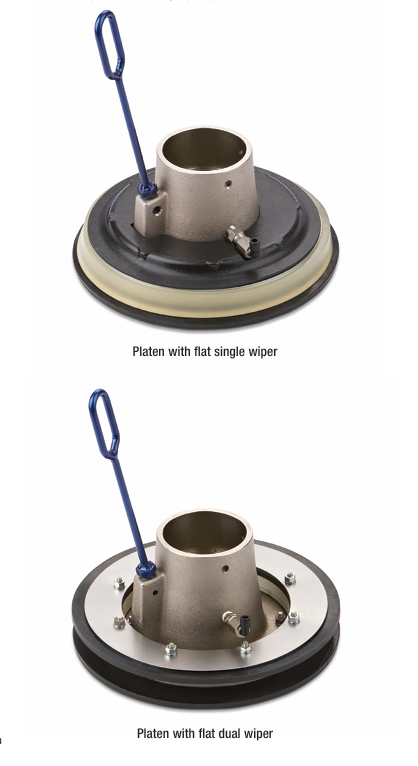
This is the prominent, thick, black, mul-lip ring positioned around the central shaft. Its primary function is to scrape contaminants (dust, dirt, debris) from the shaft as it moves, preventingthem from entering the system.
Purpose: To protect internal seals and components from external contamination and
to keep the reciprocating shaft clean.
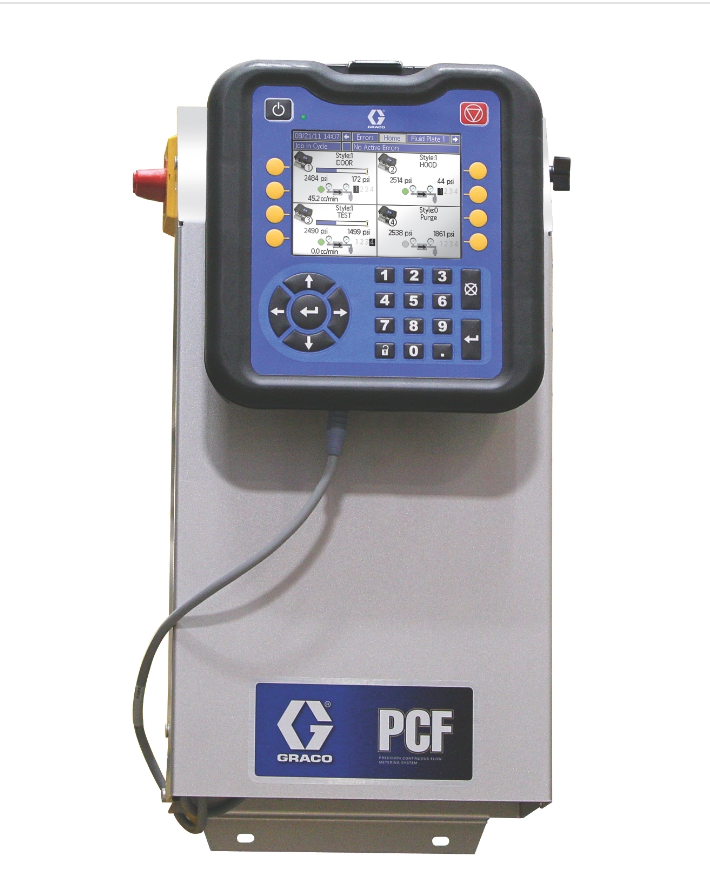
It’s an industrial control panel featuring a dedicated Human Machine Interface (HMI), manufactured by Graco, used for monitoring and controlling a fluid dispensing or proportioning system (likely a ProMix Charge Flow system). This user interface and control panel is the central nervous system for a Graco fluid dispensing or proportioning system, typically used in applications requiring precise control over the mixing and dispensing of materials.
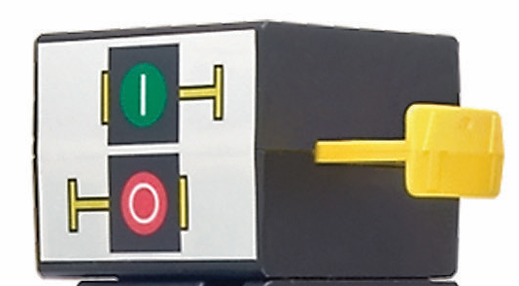
It’s a control interface for a shut-off valve, likely a ball valve or similar quarter-turn valve, featuring a visual indicator of its open (“On”) and closed (“Off”) positions, actuated by a manual key.
This device is used to safely and clearly control the flow of a fluid (liquid or gas) in various
industrial, commercial, or even specialized residential applications.
Safety: The clear ON/OFF indicators prevent confusion and reduce the risk of
accidents. The potentialfor a removable key adds a layer of safety for maintenance
work.
Reliable Control: It provides a direct, manual means for an operator to start or stop
fluid flow.